The Best Gluten Free Breakfast Casserole Recipe for Your Morning
2025-01-05
Looking for an easy gluten free breakfast casserole for a family breakfast or brunch? This savory egg casserole combines cooked breakfast sausage, peppers, onion, cheddar, and simple seasonings in a 9x13-inch dish. Check packaged ingredients such as sausage and seasonings for gluten-free labeling when that is important for your needs.
Table of Contents
The Perfect Gluten Free Breakfast Casserole
This gluten free breakfast casserole is built around eggs, cooked sausage, sautéed peppers and onion, and cheddar cheese. The vegetables are cooked first to reduce excess moisture, then everything is baked together until the center is safely cooked through.
Why You’ll Adore This Gluten Free Casserole
This casserole works well for make-ahead breakfasts because the sausage and vegetables can be cooked in advance, or the assembled egg mixture can be covered and refrigerated before baking. For a gluten-free version, read labels on packaged ingredients and consider cross-contact when choosing products for someone who needs to avoid gluten.
Ingredients You’ll Need for Your Gluten Free Casserole: Essential
Before we begin, let's discuss the ingredients. It is important to choose quality, fresh items for the best taste. Here is what you will need for this savory gluten free breakfast dish.
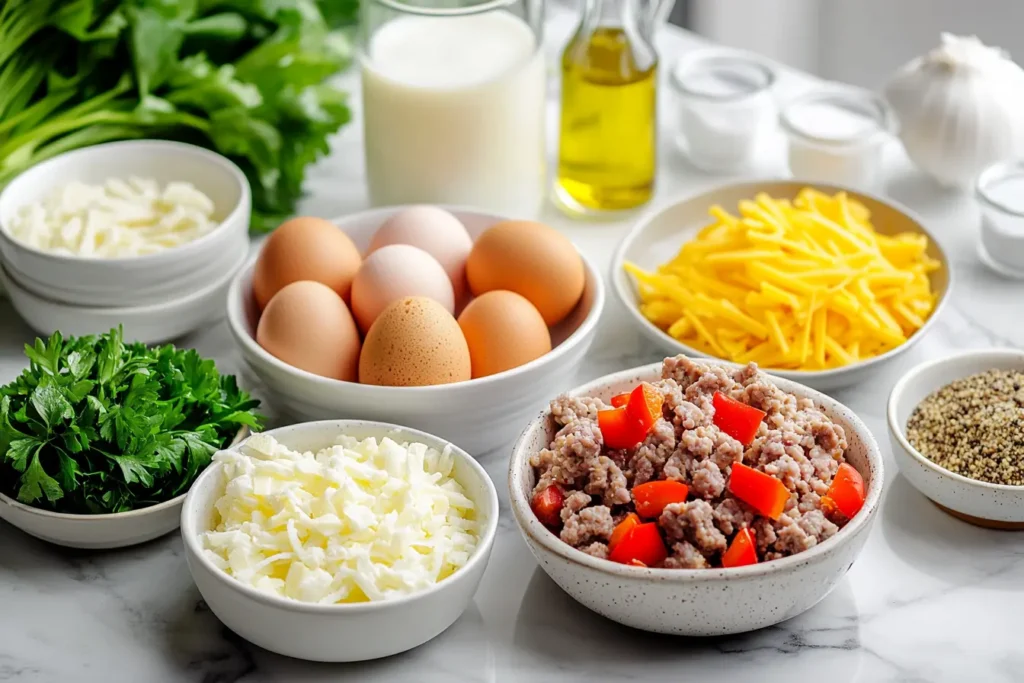
- 1 pound gluten free breakfast sausage, cooked and crumbled.
- 1 medium onion, diced.
- 1 green bell pepper, diced.
- 1 red bell pepper, diced.
- 2 cloves garlic, minced.
- 10 large eggs.
- 1 cup milk (dairy or non-dairy).
- 1 cup shredded cheddar cheese.
- ½ teaspoon salt.
- ¼ teaspoon black pepper.
- Seasoning choice (optional)
- 1/4 cup fresh chopped parsley.
- 1 tablespoon olive oil.
Step-by-Step Gluten Free Breakfast Casserole
Okay, look this gluten free breakfast casserole recipe is simple. Therefore, anyone can make it with the right instructions. Here’s a detailed step-by-step guide:
- 1 step: Preheat the oven
First, preheat your oven to 375°F (190°C).
- 2 step: Prepare the vegetables
Next, heat olive oil in a large skillet over medium heat. Add the diced onion and bell peppers. Saute for about 5 minutes. They should become soft. Add the minced garlic and cook for another minute. Be careful not to burn the garlic, though.
- 3 step: Combine the ingredients
In a large bowl, whisk together the eggs, milk, salt, and pepper. Add the cooked sausage and the sautéed vegetables to the egg mixture. Stir well to combine.
- 4 step: Prepare the baking dish
Grease a 9x13 inch baking dish. Pour the egg mixture into the prepared dish. Sprinkle the shredded cheddar cheese evenly over the top. Finally, sprinkle with parsley.
- 5 step: Bake the casserole
Bake for 30-35 minutes, using the time as a guide. Check the center with a food thermometer and continue baking until the egg mixture reaches 160°F (71.1°C).
Let it rest: Remove from the oven. Let the casserole rest for about 10 minutes before slicing and serving. This helps it set completely.
Customizing Your Gluten Free Breakfast Casserole
This gluten free breakfast casserole is easy to adapt with different vegetables, cheeses, seasonings, or cooked proteins. Keep the egg base balanced and manage moisture when adding vegetables.
Adding Extra Vegetables
Mushrooms, spinach, zucchini, kale, or other vegetables can work well here. Sauté watery vegetables first and drain off excess moisture before adding them to the egg mixture; this helps prevent a loose or watery center. For a vegetarian variation, omit the sausage and use a generous mix of cooked vegetables such as spinach, mushrooms, and peppers.
Cheese Variations
Don’t like cheddar? No problem. Try using Monterey Jack, mozzarella, or pepper jack cheese for a different flavor. Moreover, using a mix of cheeses adds great flavor depth. You can also use a gluten free vegan cheese option. Consider a smoky gouda or a sharp provolone for different flavor profiles. Also, using a sprinkle of parmesan cheese on top before baking can add a nice, crispy crust. Furthermore, if you enjoy creamy cheeses, consider using dollops of ricotta or cream cheese throughout the casserole.
Spice it Up
Want a little kick? Add a pinch of red pepper flakes. You can also use a dash of hot sauce. Furthermore, a little chipotle powder adds a smoky flavor. It's all about what you like, you know. For more complex heat, consider adding a few dashes of your favorite hot sauce to the egg mixture before baking. You might also want to try a pinch of cayenne pepper for a slow-burning heat. Additionally, smoked paprika can provide depth and complexity to your gluten free breakfast casserole. If you like a more savory spice, consider a dash of cumin.
Meat Options
While sausage is great, you can also use bacon or ham. Cook it first and then crumble it. Furthermore, consider adding seasoned ground beef or turkey for a change. It’s your casserole, so add what you love. If using bacon, consider different styles such as thick-cut or maple bacon. Furthermore, you could use chorizo for a spicy and flavorful alternative. For a leaner option, consider adding cooked chicken breast or even leftover roast turkey. You can mix different kinds of meats for a richer, more varied flavor.
Serving Your Gluten Free Breakfast Casserole
This gluten free breakfast casserole is incredibly versatile. It can be served for breakfast, brunch, or even dinner. Here are some serving ideas:
Serving for Breakfast
Serve warm slices on their own. You can also accompany it with fresh fruit or a side of gluten free toast. Honestly, it’s a full meal by itself. Consider adding a dollop of sour cream or Greek yogurton top. A side of avocado slices or a fresh salsa can also elevate the experience. Additionally, serving some gluten free muffins or scones can make your breakfast spread even more substantial.
Serving for Brunch
Brunch is the perfect occasion for this casserole. Serve alongside a green salad and mimosas for a delightful meal. Moreover, a variety of fresh berries and yogurts will make the occasion more special. Consider setting up a mimosa bar with different juices like orange, grapefruit, and cranberry. Also, a fresh fruit platter with a variety of seasonal fruits will complement the casserole perfectly. Additionally, offering a selection of gluten free pastries will make your brunch an absolute hit.
Serving for Dinner
Pair the gluten free casserole with a side salad or roasted vegetables for a satisfying dinner. Furthermore, a light soup complements the casserole perfectly. It’s a wonderful option for a busy weeknight. A simple green salad with a light vinaigrette can cut through the richness of the casserole. Consider adding roasted root vegetables such as carrots, parsnips, and potatoes for a hearty dinner. Additionally, a light tomato or vegetable soup can be a perfect warm complement.
Storing and Reheating Your Gluten Free Casserole
Leftovers are a blessing, right? Luckily, this gluten free breakfast casserole stores well. Here's how to handle the leftovers:
Storing
Let the casserole cool completely. Then, cover it tightly and store it in the refrigerator. It will keep for about 3 to 4 days. This is a great way to save time later. Be sure to use an airtight container or wrap tightly with plastic wrap to ensure it stays fresh. If you plan to freeze it, cut it into individual portions for easier thawing and reheating. Additionally, you can store leftovers in freezer-safe bags.
Reheating
You can reheat it in the microwave or in the oven. For the microwave, heat on medium power for 1-2 minutes. For the oven, place the casserole in a preheated oven at 350°F (175°C) for 10-15 minutes. Be sure to check to ensure it has heated through. Additionally, you can reheat slices in a toaster oven. When reheating in the oven, you can cover the dish with foil to prevent it from drying out, and then remove the foil for the last few minutes to crisp up the top. To ensure even heating, you might consider adding a tablespoon of water to the dish before reheating. This will prevent the gluten free casserole from becoming too dry.
Making Ahead: Preparation Tips
Planning ahead? This gluten free breakfast casserole is your friend. There are several ways to prepare it in advance. It makes your busy mornings much easier. Here are a few options:
Assembling the Night Before
You can assemble the casserole ahead, cover it, and refrigerate it for up to 24 hours before baking. When ready to cook, bake as directed and verify that the center reaches 160°F (71.1°C) with a food thermometer.
Pre-Cooking the Ingredients
Another option is to pre-cook all your ingredients in advance. Cook the sausage. Sauté the vegetables. Then, store everything separately in the fridge. In the morning, whisk together the eggs and milk. Combine everything in a greased baking dish. Then, bake. This method allows for quick assembly on the day you want to serve it.
Freezing the Casserole
If you want to save it for even later, you can freeze the casserole. After baking, allow the gluten free breakfast casserole to cool completely. Cut it into individual portions. Wrap each portion tightly in plastic wrap. Then, place them in a freezer-safe bag or container. It will keep in the freezer for up to 2-3 months. When ready to use, thaw the portions in the fridge overnight. Reheat in the oven or microwave until heated through.
The Importance of Gluten-Free Ingredients
When preparing this recipe for someone who needs to avoid gluten, check labels on packaged ingredients such as sausage, cheese, seasonings, and sauces. Gluten can also be introduced through cross-contact during processing or preparation, so choose products and kitchen practices appropriate for the person you are serving.
Tips for a Perfect Gluten Free Breakfast Casserole
Here are a few tips that will help you make the absolute best gluten free breakfast casserole every single time:
Don’t Overbake
Overbaking can make an egg casserole dry or rubbery, so use the baking time as a guide rather than the only doneness test. Check the center with a food thermometer and cook until it reaches 160°F (71.1°C). If the top browns too quickly before the center is ready, loosely cover the dish with foil.
Don’t Skip the Resting Time
After removing it from the oven, let the casserole rest. This allows it to set properly. The resting time is important for creating slices that are easy to serve and that stay together. If you cut into it too soon, it may be a little messy and might fall apart a little more easily.
Use the Right Size Dish
Make sure your baking dish is the correct size. A 9x13 inch dish is perfect for this recipe. If the dish is too small, the casserole might overflow during baking. If the dish is too large, the casserole may be too thin. The correct size baking dish ensures that your casserole bakes evenly.
Seasoning is Key
Season the cooked vegetables and sausage before they are combined with the raw egg mixture, then add herbs or spices to the eggs according to the recipe. Avoid tasting a mixture that contains raw eggs.
Use Quality Ingredients
Use ingredients you enjoy, and check packaged sausage, cheese, seasonings, and other add-ins for gluten-containing ingredients or relevant gluten-free labeling when needed.
Nutrition Note
Nutrition will vary with the sausage, milk, cheese, and other ingredients you use. Treat any nutrition values provided in the recipe card as estimates rather than measured per-100g values.
Frequently Asked Questions (FAQs)
Let's address some common questions about gluten free breakfast casseroles.
What breakfast meat is gluten-free?
What's the difference between a frittata and a breakfast casserole?
Wrapping Up Your Gluten Free Breakfast Casserole Journey
In conclusion, this gluten free breakfast casserole is a versatile, customizable, and delicious meal perfect for any occasion. Whether you're looking for a simple breakfast or a crowd-pleasing brunch, it’s sure to impress, and for a sweet treat, you might want to check out our gluten free vegan cake mixrecipe. If you’re curious about other gluten-free options, don't miss our guide on are egg rolls gluten-free, and for those seeking to elevate other casseroles, our article on how to add flavor to bland chicken casserole is invaluable. You could even explore carnivore diet breakfast plate ideas or delicious crescent roll breakfast recipes to expand your culinary horizons and breakfast routine.